
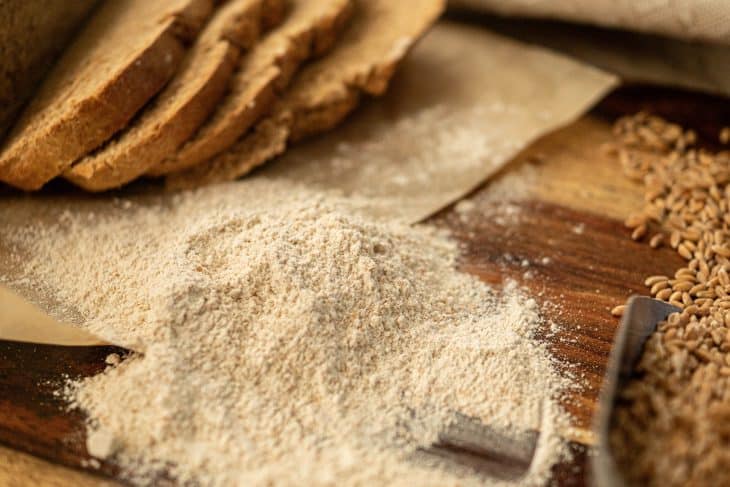
Each ancient grain comes with a unique set of characteristics that set it apart, and Spelt is no different. Spelt flour is a game-changer for all bakers. Made from an ancient hulled wheat, spelt flour offers a rich, slightly sweet flavor and unique baking performance that sets it apart from other ancient grains. While spelt itself has a long agricultural history, the flour deserves its own spotlight for the way milling methods, gluten behavior, and grain variety affect everything from texture to nutrition. (If you want the full grain backstory, be sure to visit our page about the history and origin of spelt.)
When we started using Spelt, we were struck by how easy it was to bake with. When used in doughs and batters, it responds more similarly to modern wheat than the other ancient grains but still brings added flavor and nutritional value.
Whether you’re experimenting with whole grain spelt flour, baking lighter treats with white spelt flour, or comparing spelt flour vs wheat flour, understanding how to use spelt flour can completely change your results in the kitchen. In this guide, we’ll cover spelt flour nutrition, baking science, substitution tips, the different types of spelt flour, and our favorite recipes for bringing this ancient grain into everyday baking.
The Basics of Spelt Flour
Spelt flour is flour milled from spelt berries (Triticum spelta), an ancient variety of hulled wheat prized for its rich flavor and nutritional profile. Has been hulled and milled, spelt flour has proven to be perfect for many forms of breads, pastries, pancakes, and other baked goods. Depending on how it’s milled, spelt flour may be sold as whole grain spelt flour, containing the bran, germ, and endosperm, or as white spelt flour, which has been refined for a lighter texture and milder taste.
Compared to standard wheat flour, spelt flour typically has a softer feel, a warm beige color, and a flavor that’s often described as nutty, slightly sweet, and more complex. While the grain itself has a long history, this guide focuses specifically on what makes spelt flour unique in everyday baking.
How Spelt Flour Is Made (Why Milling Matters)
Before spelt can become flour, the tough outer hull surrounding the grain must be removed through a dehulling process. Once cleaned, the spelt berries are milled into flour using either traditional stone-ground methods or modern roller milling. Stone-ground spelt flour keeps more of the grain intact during processing, preserving natural oils, enzymes, and flavor compounds that contribute to a richer taste and better nutrition.
Roller-milled flour, on the other hand, creates a finer and more shelf-stable product but may lose some of the grain’s natural character along the way. Fresh-milled spelt flour is especially prized by bakers because it tends to retain more nutrients and has a fuller, nuttier flavor than older store-bought flour that has been sitting on shelves for months. Fresh flour can also absorb water differently, affecting dough hydration, texture, and rise in baking recipes. That’s why many experienced bakers prefer freshly milled or stone-ground flour when baking with spelt flour. When shopping, look for high-quality stone-ground and organic options, especially from trusted sources like Ancient Grains, to get the best flavor and performance from your flour.
Spelt Flour Nutrition – What You Actually Get in the Flour
One of the biggest reasons bakers choose spelt flour is its nutritional profile. Because spelt flour is milled directly from the grain, it naturally contains protein, fiber, vitamins, and minerals that contribute to both flavor and function in baking. Most spelt flour contains roughly 12–15% protein, along with important nutrients like magnesium, iron, zinc, phosphorus, and B vitamins. Whole grain spelt flour retains the bran and germ, giving it a higher fiber and micronutrient content, while white spelt flour is sifted for a lighter texture and milder flavor but still offers more character than standard refined flour.
Compared to many refined wheat flours, spelt flour is often considered more nutrient-dense, and some research suggests its minerals may be more bioavailable depending on how the grain is grown and processed. That said, nutritional values can vary significantly based on soil quality, spelt variety, farming methods, and milling style. Freshly milled flour generally retains more nutrients and beneficial oils than flour stored for long periods, making freshness an important factor when evaluating flour quality. Like any grain product, spelt flour works best as part of a balanced, varied diet rather than a “superfood” on its own.
Spelt Flour vs. Wheat Flour Nutrition Comparison
| Flour Type | Protein Content | Fiber Content | Key Nutrients |
|---|---|---|---|
| Spelt Flour | 12-15% | Moderate to High | Magnesium, iron, zinc, B vitamins |
| All-Purpose Wheat Flour | 10-12% | Low | Enriched iron, B vitamins |
| Whole Grain Wheat Flour | 13-14% | High | Fiber, manganese, selenium |
Types of Spelt Flour and How to Choose the Right One for You
Not all spelt flour behaves the same in baking, and choosing the right type can dramatically affect flavor, texture, and nutrition. Whole grain spelt flour contains the entire grain—the bran, germ, and endosperm—giving it the highest fiber and nutrient content along with a rich, nutty flavor that works beautifully in rustic breads, muffins, pancakes, and hearty baked goods. White spelt flour, sometimes labeled refined spelt flour, has part of the bran removed for a softer texture and lighter color, making it a great substitute for all-purpose flour in cakes, cookies, pastries, and softer sandwich breads.
Sprouted spelt flour is made from germinated spelt berries and is valued for its enhanced digestibility, increased enzyme activity, and slightly sweeter flavor profile. Some find it easier to digest, but results vary.
Many bakers also enjoy blending spelt flour with other flours like einkorn, rye, or all-purpose wheat to balance structure and flavor while experimenting with hydration and texture. Because spelt flour naturally contains oils from the grain, freshness matters—store flour in an airtight container in a cool pantry for short-term use or refrigerate/freezer-store it for longer shelf life.
Whole Grain Spelt Flour vs. White Spelt Flour
| Feature | Whole Grain Spelt | White Spelt Flour |
|---|---|---|
| Includes Bran & Germ | Yes | Mostly removed |
| Fiber Content | Higher | Lower |
| Texture | Hearty, denser | Lighter, softer |
| Flavor | Deep, nutty | Mild, slightly sweet |
| Nutrient Density | Higher | Moderate |
| Best Uses | Bread, rustic baking | Cakes, pastries |
For maximum nutritional value, flexibility, and freshness, many bakers prefer buying whole spelt berries and milling flour at home as needed. Fresh-milled flour retains more flavor and nutrients, while whole berries also allow for sprouting before milling. High-quality organic spelt berries and flour options can be found through Ancient Grains.
How to Bake with Spelt Flour – Practical Tips and Techniques
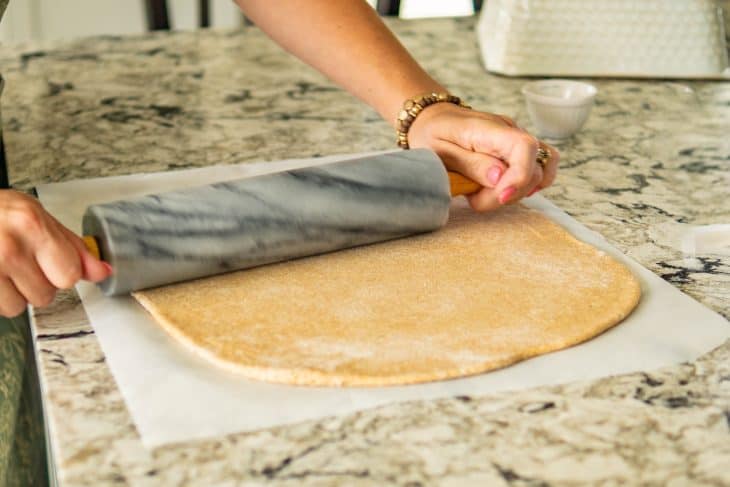
Baking with spelt flour is rewarding, but it behaves differently than modern wheat flour and benefits from a gentler approach. In many recipes, spelt flour can be substituted at a 1:1 ratio for wheat flour, though bakers often find they need slightly less liquid—typically about 5–10% less—because spelt absorbs moisture differently. Spelt gluten is more fragile and extensible than modern wheat gluten, so overmixing or aggressive kneading can weaken dough structure and lead to dense or crumbly results. Instead, mix gently and knead only until the dough comes together. Rise times are often shorter with spelt flour as well, so keeping a close eye on proofing helps prevent over-risen dough that collapses in the oven.
While spelt may not always create the dramatic oven spring of high-gluten bread flour, it excels in artisan breads, pancakes, cookies, muffins, pasta, and quick breads where flavor and tenderness matter most. If your loaves turn out dense, reducing hydration slightly, shortening proof times, or blending spelt with stronger flours can improve structure. For more in-depth techniques, recipe adjustments, and troubleshooting advice, check out A Guide to Baking with Spelt Flour.
Recipes
Spelt can be used to. make all sorts of If you’re ready to try some delicious spelt recipes, here is a great place to start:
Peaches and Cream Spelt Porridge
Potential Drawbacks and Considerations
While spelt flour offers excellent flavor and nutrition, it’s important to understand its limitations before making it a pantry staple. Spelt is an ancient wheat, which means it still contains gluten and is not safe for people with celiac disease or true gluten allergies. Some individuals report that spelt feels easier to digest than modern wheat, possibly because of differences in gluten structure and grain composition, but tolerance varies widely from person to person. Spelt flour can also be more expensive and slightly harder to find than conventional wheat flour, especially if you’re purchasing organic, stone-ground, or freshly milled varieties.
Because whole grain and fresh-milled spelt flour retain more natural oils, they also tend to have a shorter shelf life and require more careful storage to prevent rancidity. In baking, spelt’s weaker gluten structure may not be ideal for recipes that rely heavily on elasticity or strong dough development, which is why many bakers choose to blend it with bread flour or all-purpose flour for better structure. If you’re new to baking with spelt flour, a balanced approach is to begin by replacing 25–50% of the wheat flour in your favorite recipes before moving to full substitution. This allows you to learn how spelt behaves while still maintaining familiar texture and rise in your baked goods.
Spelt Flour Is One of Our Customer Favorites
Spelt flour has earned its place in modern kitchens by offering something many conventional flours cannot: a balance of rich flavor, functional baking performance, and impressive nutrition in a beautifully versatile milled grain. Whether you prefer the hearty texture and nutrient density of whole grain spelt flour or the lighter feel of white spelt flour, baking with spelt brings depth, warmth, and character to everything from artisan breads to cookies and pancakes. Its naturally nutty, slightly sweet flavor pairs with a softer gluten structure that creates tender baked goods while still providing enough strength for many everyday recipes. Fresh milling, thoughtful hydration adjustments, and gentle handling can make an enormous difference in your results, helping you get the most from this ancient grain flour.
If you’re ready to experiment with baking that tastes both rustic and refined, now is the perfect time to try spelt flour for yourself. Explore premium organic spelt berries, stone-ground flours, and baking essentials at Ancient Grains, and put your new knowledge to work with a homemade bread, muffin, pancake, or pastry recipe this week. Want to learn more about the grain behind the flour? Be sure to read our companion guide, What is Spelt?, for the full story on spelt’s origins, history, and farming traditions. And if you love baking with ancient grains, subscribe for more flour guides, baking tutorials, recipes, and fresh-milling tips delivered straight to your inbox.
